Revisiting the Past on Screen and the Commodification of Nostalgia
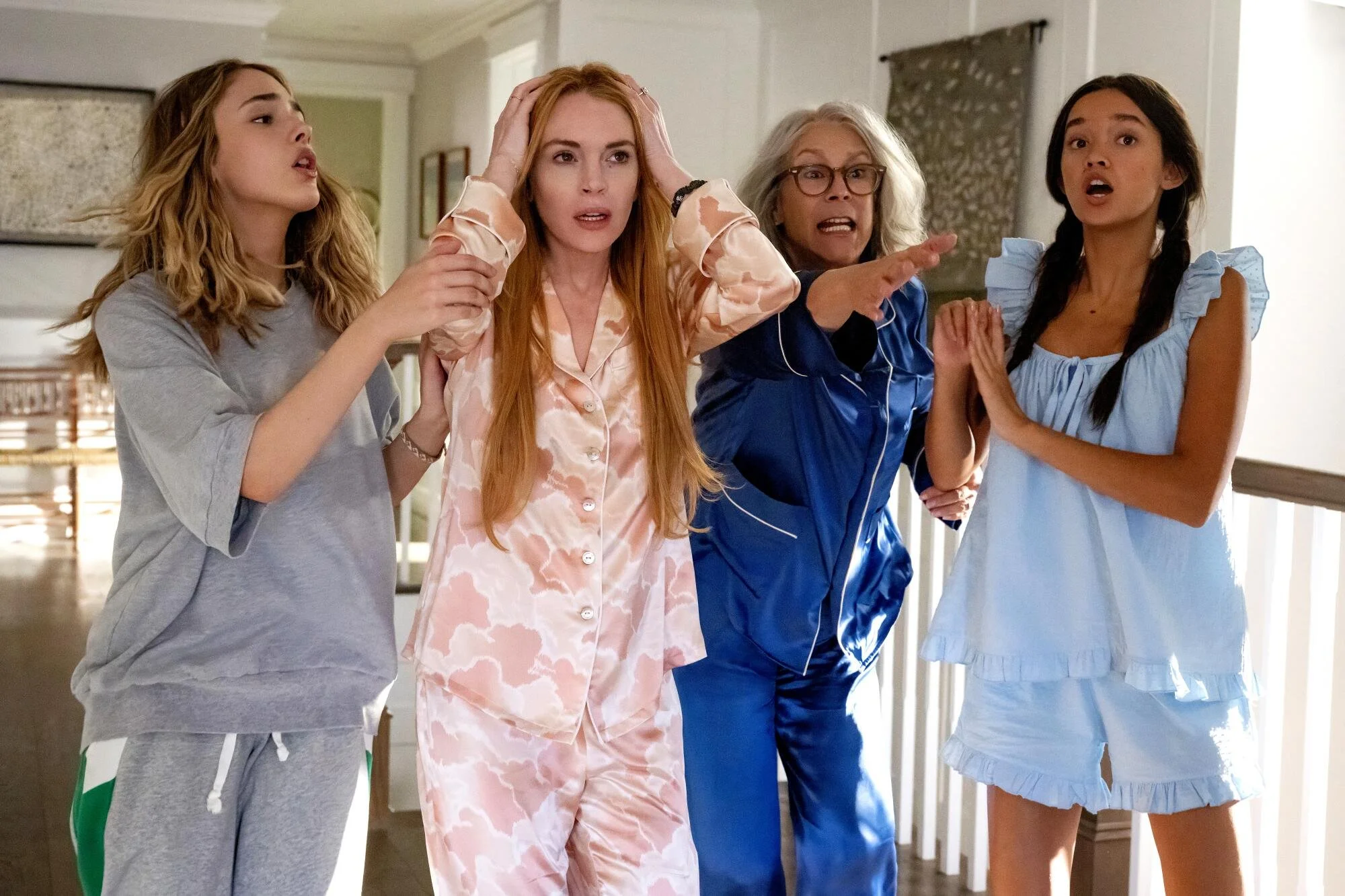
There is a particular comfort in seeing old stories return to our screens. Not because they were perfect, but because they feel familiar. Freaky Friday comes back with a new twist. And Just Like That reaches for a version of womanhood many of us once recognised. A brief glimpse of The Devil Wears Prada, just a silhouette, a coat, a walk, places us straight back in 2006 without asking us to do any emotional work. The feeling arrives fully formed, like muscle memory.
It’s easy to call all of this nostalgia, but that word feels slightly insufficient. Something else is happening underneath. Arjun Appadurai writes about how objects gather meaning as they move through our lives, how they stop being ordinary things and become carriers of memory. Stories do the same. A film watched at the right age, in the right moment, stops being just a film. It becomes shorthand for who we were when we first encountered it. A shortcut back to a version of ourselves we might not otherwise revisit. And once a story holds that kind of emotional weight, bringing it back becomes surprisingly easy. Studios are not only offering the story again. They are offering the feeling that came with it.
You can see this most clearly with Freaky Friday. I genuinely tried to meet the new version where it was, but I couldn’t fully let go of the original. Not because the remake is bad, but because the early-2000s version has developed a life of its own. It now carries a particular mix of chaos, sentiment, and girlhood that can’t be recreated without losing something along the way. Watching commentary around the remake, I realised my attachment wasn’t really to the plot at all. It was to the version of myself who watched it the first time. The new film isn’t a replacement so much as a reminder of how meaning builds over time. Which is exactly what Appadurai is getting at. And yes, after thinking about all this, I’ll probably give it another chance.
Then there’s And Just Like That, which might be the most revealing example precisely because it struggled. It tried so hard to be current, so eager to signal awareness and relevance, that it kept tripping over its own feet. The tonal whiplash. The anxious self-correction. The feeling that the show was chasing approval rather than inhabiting its own world. And still, we watched. We hoped the spark from Sex and the City would reappear. Somewhere along the way, many of us learned a new term for the experience. Hate-watching.
But And Just Like That’s difficulty actually proves the point. The original series has accumulated so much meaning over time. Friendship, feminism, fashion, desire, fantasy. Bringing all of that into the present was never going to be simple. Some of it wouldn’t even survive intact in today’s cultural climate. But the symbolic weight remains. The reboot wasn’t just competing with its own past episodes. It was competing with two decades of memory. And even when the adaptation faltered, we stayed. Not for the plot, but for the feeling. That’s the pull of commodified nostalgia. Even when the new version disappoints, the meaning we carry keeps us watching.
And then there’s The Devil Wears Prada, which hasn’t even properly returned yet. A teaser. A silhouette. A coat. A single line. Suddenly everyone is back in 2006. That’s Appadurai again, in motion. The original film has lived long enough in the collective imagination to become a symbolic object. Ambition. Identity. Early-career delusion. A very specific, very glamorous exhaustion. The new film doesn’t need to recreate any of that. It only needs to gesture toward it. A trailer becomes a quiet exchange. Imagery traded for memory.
Taken together, these revivals reveal a simple pattern.
The past feels safe because it has already gathered meaning. It has shape. It has edges.
We’re not really drawn back to the content itself. We’re drawn to the symbolic weight it now carries. In uncertain moments, that weight feels grounding. Nostalgia becomes a way of orienting ourselves, like checking a familiar landmark to make sure we’re still standing somewhere recognisable.
Maybe that’s the real comfort in watching the past return to our screens. These stories have lived with us long enough to feel like objects we can reach for when the present feels unclear. They remind us that meaning accumulates. That we carry things forward. And that even when the world shifts, the stories that shaped us don’t disappear. They simply wait, ready to be picked up again.