Effortlessness Is a Lie. Bridget Just Didn’t Get the Memo
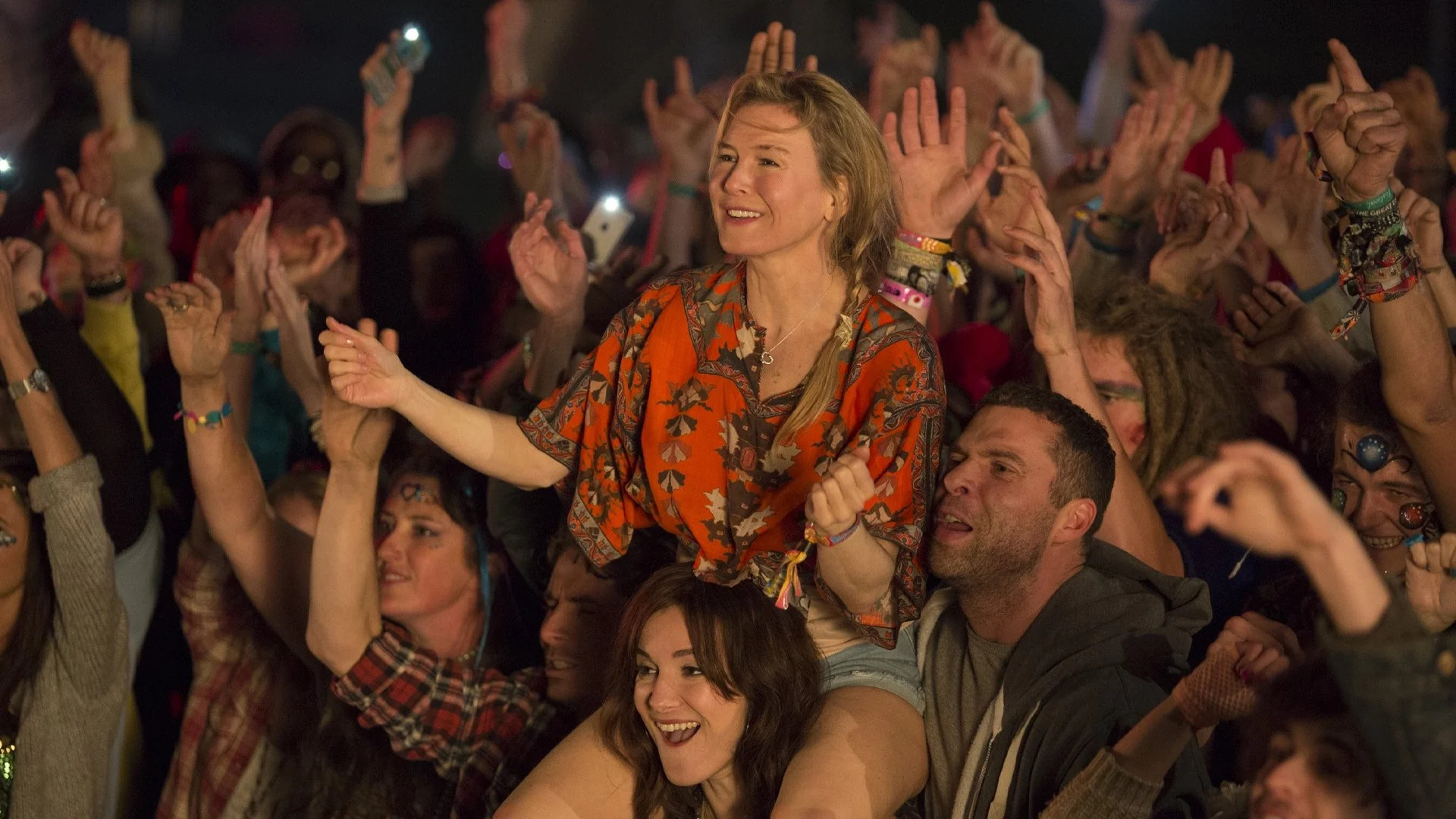
It has always struck me as strange that women are expected to glide. Not walk. Not move. Glide. As if gravity were optional and life a tasteful sequence of choices executed in good lighting and neutral tones. Effortlessness is the cultural dress code. And yet, I have never met a woman who achieved anything without a questionable number of lists, mild panic, and at least one late-night moment of regret. I keep thinking about how carefully we hide the scaffolding of our lives.
Bridget Jones, bless her, never quite managed to.
When Bridget Jones’s Diary arrived, the joke wasn’t really that Bridget was bad at life. It was that she documented it. Calories. Resolutions. Romantic spirals. Cigarettes counted, promises broken, optimism renewed against better judgment. She showed the work at a time when women were already being trained to pretend there wasn’t any. The comedy wasn’t failure. It was exposure.
What people often forget is that Bridget wanted effortlessness as much as anyone else. She believed in it. She wanted to be relaxed about men she was deeply unrelaxed about. She wanted to appear naturally lovable, casually confident, the kind of woman who didn’t seem to try so hard. She followed the instructions faithfully. Diet. Improve. Worry less. Be charming without appearing invested. The problem wasn’t aspiration. It was execution. The diary ruined the illusion. Her effort kept spilling onto the page.
And that spillage is what still makes her uncomfortable to watch. Not because effort is unusual, but because it’s supposed to stay hidden. Most of us still work just as hard to hold our lives together. We’re simply more discreet about it. The lists are still there. They just have nicer fonts. The calorie counts didn’t disappear. They learned new language. The diary didn’t go away. It moved somewhere private, half-written, never quite meant to be seen. The work didn’t stop. It just learned how to look nicer.
This is where Bridget quietly collides with how we live now. We’re encouraged to optimise ourselves endlessly, as long as it doesn’t look like effort. Sleep better. Heal privately. Be ambitious, but balanced. Vulnerable, but processed. Overwhelmed, but gracefully. The expectation hasn’t softened. It’s just become more subtle. Keep up. Adjust quickly. Make it look natural.
Bridget didn’t opt out of that system. She exposed it by being bad at concealment. She wanted love. Reassurance. To be chosen. To feel like she was doing adulthood correctly. None of this is shocking. What’s uncomfortable is letting that wanting stay visible. Especially when wanting is supposed to come wrapped in irony, self-awareness, and a reassuring sense that you’d be fine either way.
That’s why Bridget still lingers. Not because she’s chaotic, but because she’s honest about the labour. She shows what happens when the work refuses to stay backstage. When effort looks like effort. When trying doesn’t pretend to be instinct.
Effortlessness has always been a performance. We’ve just gotten better at set design.
When I think about Bridget now, I don’t see a romantic comedy relic or a cultural punchline. I see someone who let the camera witness the labour of becoming, without filters or branding language to soften it. She didn’t reject the ideal. She revealed its workload.
Effortlessness is a lie. Bridget just didn’t get the memo. And maybe that’s why she still feels so familiar.