Is Dating Just Capitalism in Heels?
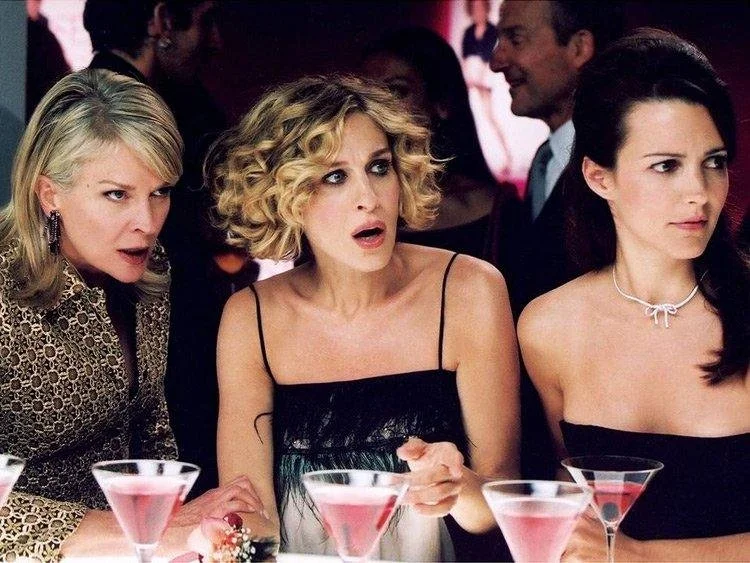
It takes about three minutes of watching Carrie Bradshaw walk through 90s Manhattan in Sex and the City to realise something mildly disappointing. Dating was never as romantic as we like to remember it. From the moment she starts narrating her love life like she’s filing a report, it’s clear this isn’t a fairy tale. It’s logistics. Timing. Positioning. Knowing when to lean in, and when to disappear so you look mysterious rather than confused. Long before dating apps, people were already treating romance like something to be managed rather than felt.
The pilot episode, tellingly titled “The Age of Un-Innocence,” doesn’t mourn the loss of romance so much as admit it had already been downgraded. No one is having affairs to remember. They’re having encounters they’d prefer not to explain to their friends. Not because they’re heartless, but because the system rewards movement. Desire starts behaving less like a feeling and more like a performance metric. Attraction becomes something to optimise. And Carrie, ever the anthropologist with very good shoes, observes that men and women are now “having sex like men,” as if that’s a feminist breakthrough rather than a sign that everyone is slightly exhausted. That exhaustion felt familiar immediately.
What the show captures, almost accidentally, is the early shape of something we now live inside. Dating as a marketplace. Not ruthless, not cynical, just transactional enough to drain the softness out of it. People are assessed quickly. Interest is calibrated carefully. Too much enthusiasm reads as naïve. Too little reads as power. When choice feels endless, commitment starts to look less like romance and more like a decision you’ll need to justify later.
That’s why blaming dating apps never quite convinces me. The apps didn’t invent the behaviour. They just made it more efficient. Carrie’s world didn’t swipe, but it filtered constantly. It rewarded restraint, emotional composure, and knowing when to stop talking. Wanting too much was framed as unsophisticated. Saying too much was framed as embarrassing. The goal was always the same. Be desirable without appearing invested. It wasn’t empowerment. It was survival, just styled better.
And beneath all that supposed freedom, there’s a tiredness no one likes to admit to. Being “fine” becomes part of the dress code. Be attractive, but effortless. Be independent, but not intimidating. Be open, but not needy, because need has terrible PR. The rules are never written down, but everyone seems to know them. I notice how easy it is to start editing yourself around those expectations. Softening your wants. Turning down the volume on need. Not because you consciously decided to, but because you can sense what will be received politely. That’s when dating stops feeling playful and starts feeling like light admin.
What’s striking is that the episode itself isn’t bleak. It’s just honest. Maybe people aren’t giving up on love. Maybe they’re simply worn down by the conditions around it. If everyone assumes there’s always another option, choosing one person feels oddly exposed. If confidence is the currency, uncertainty becomes expensive. And if intimacy requires vulnerability, it makes sense that so many people hover right at the edge of it. I recognise that hesitation. The way even wanting something can feel like you’re revealing too much too soon.
Carrie tries to frame all of this as progress. Women rewriting the rules. Desire becoming less apologetic. But the feeling underneath her monologues is more fragile than triumphant. The freedom never quite settles into the body. It feels conditional. Like something you have to keep performing correctly. Like holding your breath in order to look relaxed.
Maybe that’s the real age of un-innocence. Not the end of romance, but the moment we realised it had always operated like an exchange. And we’re all still trying to move through it without losing our softness in the process. Intimacy still exists. I believe that. It just tends to show up quietly now, in moments that aren’t impressive, efficient, or optimised. The ones that don’t scan well. The ones that fall somewhere outside the catalogue.